
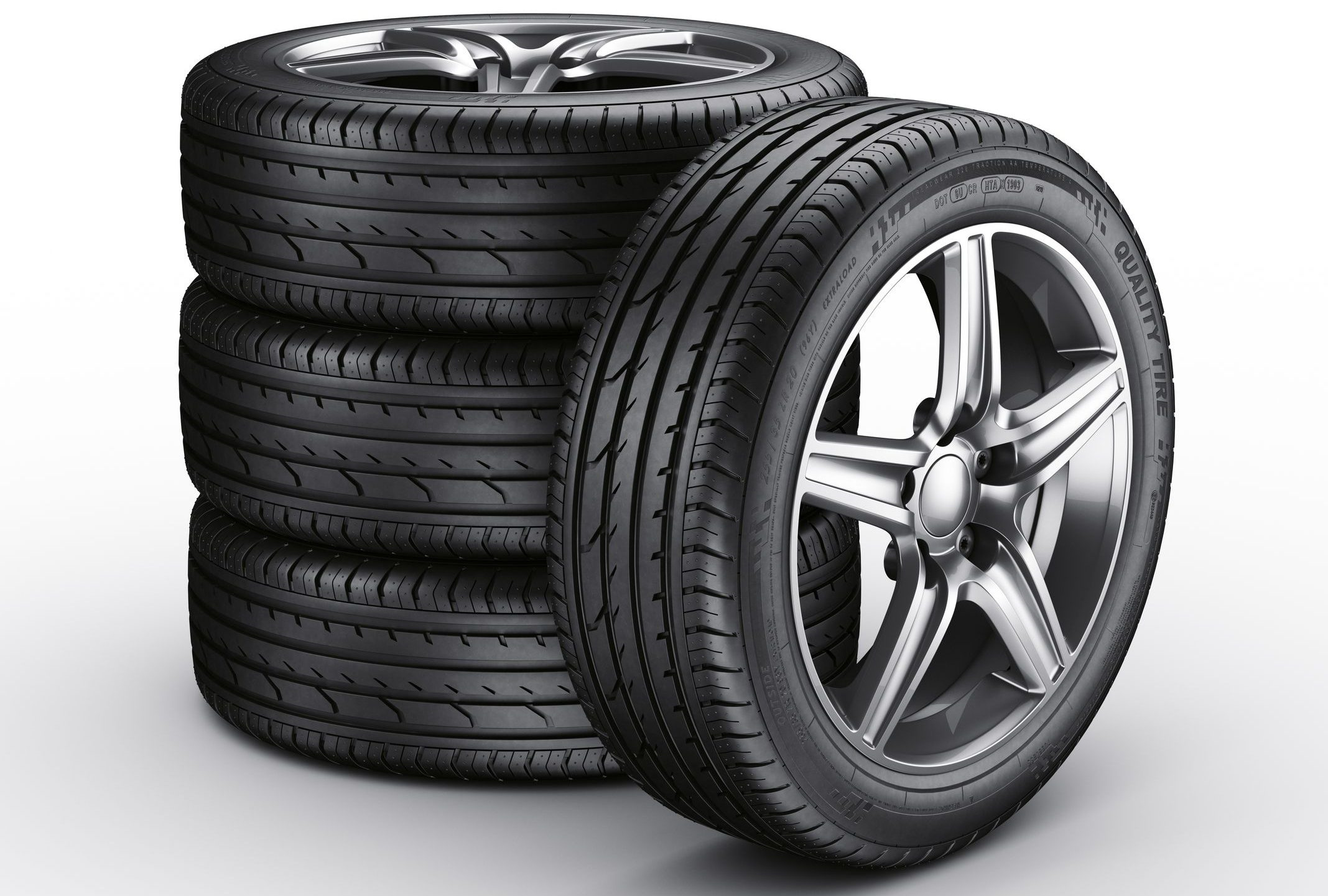
Top Tips For Tyre Maintenance

Do you maintain your car well? Most of us would answer this question in affirmation because as soon as the word ‘maintenance’ hits our ears, we directly relate it to services like regular oil change, the functioning of brakes, fuel efficiency, engine servicing and performance etc. But we overlook to maintain or take proper care of the tyres of our vehicle/car, which are the real beasts of ‘our’ burden.

In today’s hectic urban life, our care is mostly restricted to the outer look of the car, whilst the other crucial components of the car, like tyres, go for a toss. So let’s quickly learn some tyre maintenance tips that will prove helpful in upholding the health of this essential unit of your car.

1. Changing tyres at the right time
The experts suggest that the right time to discard the old tyre and go for a new tyre is between 6-10 years. Here, 6 years is suggested ideal, however, 10 years is the extreme limit, that too, when you find every bit of the tyre good. The wear and tear of the tyres also depend upon several factors like driving style, the total number of kilometers driven, weather conditions in the region etc.

During the manufacturing process, car tyres are fed with an anti-oxidizing chemical compound in order to furnish them with longevity. Here the chemical actually decelerates the usual ageing process of the untreated rubber. But the tyres still deteriorate with age, though gradually, and invite the danger of tyre malfunction. Nevertheless, there are ample ways by which you can spot the wearing of the tyres such as cracking or bulging marks on the side walls of the tyre, deformation of tyre tread grooves and distortion in the overall carcass of the tyre. Furthermore, every tyre carries a the tread wear indicator, which can be of great help when you are pondering over ‘to-change’ or ‘not-to-change’ the tyre with a brand new one. The tyre tread wear indicator for a four-wheeled vehicle is placed within the grooves at 1.6 mm height. And tyres worn beyond these limits are suggested unsafe to drive.

Another important thing to look for can be the tyre manufacturing date inscribed on the side walls of the tyre, which can also play a decisive role in the replacement of tyre.

2. Size of the wheel bolts
Generally, the wheel bolts are provided by the vehicle manufacturer; just assure that the bolts used aren’t too short or too long. In both the cases, they can turn foes. If they are short, there are chances of the wheel popping out, or else, if they are too long, they might injure the suspension of the car. Examine them and get them replaced with the ideal size ones.

3. Tyre rotation is important
Tyre rotation is recommended after every 5000 kilometres or if you find any uneven wear of the tyre positions. While rotating tyres make sure that all the tyres get equal chances of road exposure. Tyre rotation at regular intervals ensures all the tyres wear evenly and no tyre is under or over-worked.

4. Be smooth while driving
Knowingly or unknowingly (or say, ignoring-ly), many-a-times you drive harsh or at high speed, and after spotting a hazard on the road, try to stop the car immediately by applying emergency brakes. Though the car stops but the entire wrath is endured by the tyres. Rough braking takes a direct toll on the life of your car tyres, which leads to premature wear of the tyres. Hence, it is always advised to drive at a neutral speed that will eventually prevent you from applying brakes frequently. Rash driving and regular stoppages (at high speeds) also invite tyre skidding, which not only asks for a mishap but also pushes the tyre to lose tread much quicker than expected.

5. Beware of monsoon hydroplaning
Rainy season brings numerous challenges to the urbanites, especially to the car owners/drivers. In this weather condition, the tyres are more exposed and prone to premature wear and tear. During rains, it is difficult to drive through a heavily waterlogged road or street and, it becomes a nightmare with the company of worn out tyres, as the risk of hydroplaning is always involved. However, preventative driving and good treads can lessen the threat.

According to the experts, one of the best weapons to shun hydroplaning is new tyres. The approach is simple, compared to limited tyre grooves, the new tread will allow more water to channel through the grooves of the tyre, resulting in more grip of the surface and hence keeping hydroplaning at bay.

6. Need to be cautious with the jack
At the time of swapping the tyre, a hydraulic car jack should be used, which is safe and easy to work with, alongside is also termed reliable for the person replacing the tyre. If hydraulic car jack is not available, the regular jack provided by the car maker will also solve the purpose. Always remember that the area/base where the punctured tyre is being swapped should be even and rigid.

7. Check air pressure
A regular check on tyre pressure will not only keep tyres away from frequent punctures but will also play a vital role in achieving better fuel efficiency. In order to upkeep and ensure maximum tyre lifespan, safety, cornering at speeds, general performance and handling it is vital to maintaining tyre pressures at certain levels as suggested by the manufacturer.

Overinflated or underinflated tyres, both will adversely affect your vehicle’s day-to-day performance. Overinflated tyres have less amount of contact with the road surface; also the side wall decreases flexibility and affects road-adhesion ensuing limited control of the vehicle. Moreover, the underinflated tyres reduce overall tyre diameter and increase sidewall flexion leading to difficulty in handling the vehicle at different stages.

8. Store tyres at a safe place
In order to store the tyres, you should first clean the tyres and choose the position (lying or standing) of the tyre. Always store tyres in a cool and dry place that is away from chemical and substances like grease and petroleum products. Furthermore, the storage area of the tyres should not have any supply of sunlight or heat, and should also be kept away from hot pipes and electric motors. Stagnant water is another enemy of tyres, hence you need to ensure that there are no chances of water collecting inside the tyres. Continuous exposure to the aforementioned elements can lead to inner weakening and early deterioration of the tyres that are subjected to abrupt breakdown.

9. No playing mix and match
Nowadays, nearly all the passenger vehicle tyres are radial tyres. Experts suggest using the same size and same type of tyre on all four wheel positions until and unless the vehicle manufacturer defines different sizes to be used for the front and rear. This can be checked with the manual of the vehicle. If for instance, two radial tyres are fixed with two non-radials, the radial tyres are to be mounted on the rear. If you come across different types of tyres mixed on a vehicle in any configuration, avoid using them for a longer period of time and always keep speed in check. Mix and match of tyres on the 4×4, all wheel drive and 4-wheel drive vehicles require special care. Here, look for vehicle maker’s handbook for their suggestions and recommendations.

10. Wheel alignment is vital
A wheel alignment is nothing but an essential aspect of regular vehicle/car maintenance, wherein the angles of the wheels are adjusted as recommended by the vehicle manufacturer’s specifications. The point of these adjustments is to get maximum life out of a tyre, ensure even wear of all four tyres and check for the vehicle-travel that is upright and accurate when it is driven along a straight and level road. Wheel alignment is a must after every 5,000 kilometers or whenever you find any lopsided wear on the tyre.
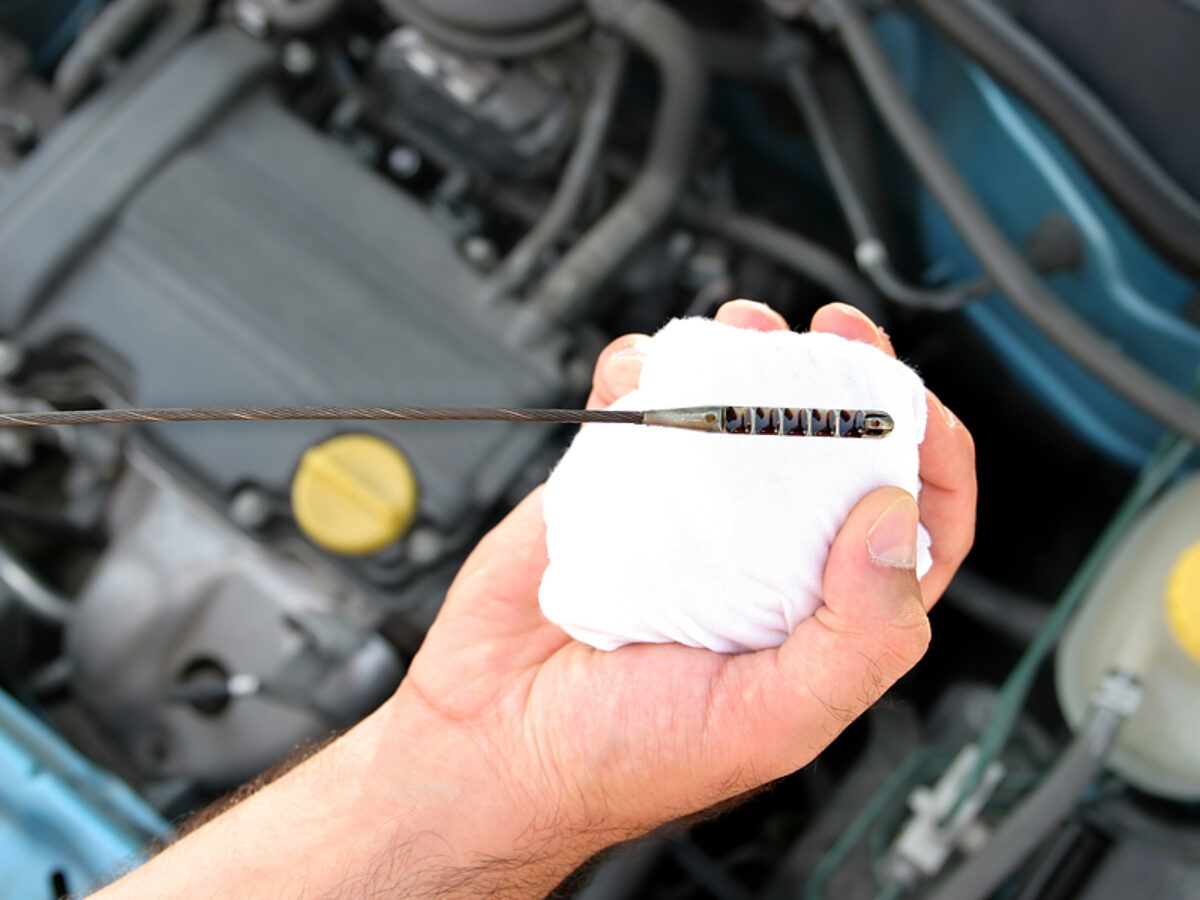

How To Check Your Oil In 8 Steps

Checking your vehicle’s engine oil is a quick and simple maintenance project that almost any driver can do themselves. Even if you don’t feel up to the task of changing your own engine oil, chances are that you will be able to check it yourself. Most models should have an oil change about every three months or three thousand miles. In between your regularly scheduled oil changes, you can check your engine oil levels to ensure that it has not become too low or dirty.
Follow these simple steps to check your vehicle’s engine oil:

Find a Lint Free Rag
Locate a lint free rag or a scrap of old fabric to use when checking your oil. An old t-shirt usually works great

Read Your Owner’s Manual
If you are extremely unfamiliar with what is under the hood of your vehicle, you will find a detailed description of where your dipstick is located in your owner’s manual.

Warm Up Your Car
It is best to check your oil while it is warm. A great time to check you oil is after a quick trip to a local market or around your neighborhood.

Turn Your Car Off
Make sure that you turn your vehicle off before you begin the process of check its oil.

Pop the Hood
Pull the handle located on the inside of your vehicle, usually on the side of the driver side door, and the press the lever located underneath the center of the hood. Make sure that the hood of your car is securely propped. There’s no point in feeling embarrassed if you do not know how to open your hood. Check this short video for a clue

Locate the Dipstick
On most models, the dipstick is located on the left side of the engine. The dipstick usually has a yellow or orange circular handle that is clearly visible. When you pull this handle, a long piece of metal will slide out of the engine.

Clean the Dipstick and Reinsert
Once you locate and remove the dipstick, clean it with your rag and slide it back in. Make sure that the dipstick is inserted all the way back in.

Remove the Dipstick and Inspect
Next, remove the dipstick once more. Look at the end of the dipstick. Some models will have a line marked “full” while others will have a textured area that represents the capacity of the oil pan. The oil will appear amber in color. It should be easy to discern the oil level by looking at the dipstick.

– Normal Oil Level
If the dipstick indicates that the oil level is normal, reinsert it.
– Low Oil Level or Dirty Oil
If the dipstick indicates that the oil level is low, touch the end of the dipstick with two fingers and feel of the texture of the oil. If the oil is clean, you can add new oil using a funnel. If the oil is gritty, it is necessary to have your oil changed as soon as possible.
Checking your vehicle’s oil level is a simple task that takes only a few minutes to perform. Knowing how to check your oil will enable you to ensure that your engine is being properly lubricated.

Tips for Buying a New Car

It’s appealing to buy a new car that looks great and is fun to drive, but it also pays to look beneath the surface for features that make your vehicle safe to drive and affordable to insure.

Car insurance costs are based, in part, on the model’s safety history, the cost of vehicle repair or replacement, and the likelihood that the car will be stolen. Many insurers offer discounts for vehicles with features that reduce the risk of accidents and injuries.

Here are five tips to consider when shopping for a new car:

1. Find Out the Cost of Insurance
Your insurance rates typically change when you acquire a new vehicle. Before you choose a model, the nonprofit Insurance Information Institute recommends that you ask your insurance rep how much it will cost to insure.

If you choose a sporty model that attracts buyers who enjoy driving fast, it will likely cost more to insure. If the car you pick is very expensive, it will be costly to repair or replace, and that will drive up insurance costs. A model that’s often targeted by car thieves may also cost more to insure.

2. Look for Safety Technology
One of the best things about buying a new car is all the new devices that have been developed in recent years to help drivers avoid accidents. Advanced safety features can include:

Adaptive cruise control. It detects vehicles ahead and adjusts speed to maintain a safe following distance.
Adaptive headlights. As you turn, these headlights adjust to light the road ahead.
Automatic parking. Sensors detect obstacles and adjust steering to guide vehicles safely into parking spaces.
Backup cameras. They help you see behind your car to avoid collisions.
Forward collision warning. Radar, lasers or camera sensors detect when a crash is about to occur, alerting the driver. Some systems automatically apply the brakes.

3. Consider Vehicle Design and Size
Design characteristics are important when choosing a new car. Larger and heavier vehicles typically sustain less damage in auto crashes than small cars. Some small utility vehicles and pickups are prone to rollover accidents.

In addition to considering size, look for cars that have “crashworthy” designs. These cars have strong “safety cages,” the section of the vehicle that protects the occupants. Make sure that the front and rear ends are “crush zones” that can absorb the impact of crashes.

You can look up car safety rankings by using the Insurance Institute for Highway Safety’s online safety rankings tool.

4. Get Pre-Approved for a Car Loan
Edmunds.com recommends that you get pre-approved for a car loan before you begin shopping for a new car. Check with several lenders to get the lowest interest rate. Once you have loan approval, you’ll know how much you can afford to spend. You’ll also have an interest rate you can use to compare with those offered by the new car dealer’s financing. In some cases, the dealer may offer the best financing deal.

Before you begin shopping for a loan, gather documents to verify your income and the balances of any debts you may have.

5. Negotiate the Best Price
A good negotiator usually can get a better deal than someone who simply agrees to pay what the dealer is asking. Dealers may price their cars higher than the amount they actually expect to receive in preparation for negotiations.

If you take time to research prices online before you visit a dealership, you’ll have a better idea of what a competitively priced car should cost. Often, the best time to buy is during end-of-the-year sales, when dealers need to make room for newer models, notes the Las Vegas Review-Journal.

Negotiate the actual price of the car rather than the monthly payment. Focusing on payments makes it easy to lose sight of the full amount you’ll be paying over time, says Autotrader.4

If you can’t get the price you want, don’t be afraid to walk away. Remember there’s always another car.

Driving Tips for New Drivers

Congratulations on your new driver’s license! Your license is an exciting step toward independence and adulthood, but it’s also a big responsibility. Remember, what you do in the driver’s seat not only affects you but everyone else on the road, too.

We’ve put together some of the best tips for new drivers to help you stay safe and have fun on the road.

1. OBEY ALL TRAFFIC RULES
From road signs to right-of-way, there are rules drivers are required to understand and follow. Following the speed limit, leaving adequate space between you and the car in front of you, obeying traffic signals, and wearing your seatbelt are just a few of them. Learning and applying traffic rules will help you have a safe and relaxed time on the road — and it will help the other drivers around you be safe and relaxed, too. Plus, following traffic rules can help keep you away from traffic tickets, which are expensive and could raise your car insurance rates.

2. SLOW DOWN!
According to CDC.gov, “Teens are more likely than older drivers to speed and allow shorter headways (the distance from the front of one vehicle to the front of the next).” The higher your speed, the less time you have to stop your car, and the worse any impact and subsequent injuries will likely be. Braking distance increases exponentially at speeds over 45 MPH.

3. KEEP YOUR CAR IN GOOD RUNNING SHAPE
Taking care of your car can help you avoid breakdowns and other potential accidents. Car care includes regular oil changes and tune-ups, checking tire pressure (don’t forget the spare!), regular tire rotation, checking brake fluid and coolant levels, and filling up the gas tank before it hovers too close to “E.” For your car to take care of you, you need to take care of it. As a new driver, don’t add to the variables of being behind the wheel by letting your car maintenance slide.

4. WEAR YOUR SEAT BELT
Always. And make sure your passengers wear theirs, too. “Among teen drivers and passengers 16–19 years of age who died in car crashes in 2018, almost half were unrestrained at the time of the crash (when restraint use was known),” reports CDC.gov.

5. AVOID DISTRACTIONS
Distracted driving claimed 2,841 lives in 2018 alone, reports the National Highway Traffic Safety Administration. So keep your eyes on the road. That means no texting, no calling, no eating, no channel surfing on the radio, and no turning around to talk with friends in the backseat. Accidents can happen in a split second, but if you’re paying attention, you’ll have a better chance of avoiding one.

One of the best tips for new drivers is to take the time to set yourself up for your drive while you’re still in your driveway. Choose your music, set your GPS, put your phone on Do Not Disturb, and make sure any important communication is completed or paused before your drive.

6. ADJUST YOUR ACCESSORIES
No, not your bling. We’re talking about making sure your seat is in a comfortable spot and checking all mirrors to make sure they give you visibility of your car’s blind spots. How to check? A vehicle overtaking from behind you should start to appear in the side mirror just as it’s disappearing from the center rear view mirror. As a tip for new drivers, especially, do this before you start your drive, not when your vehicle is moving.

7. DON’T TAILGATE
Following too closely is a leading cause of rear-end accidents. Just remember the 3-second rule: Pick an object on the road ahead (like a sign, tree, or overpass), and when the vehicle in front of you passes the object slowly count “one-one thousand, two-one thousand, three-one thousand.” If you reach the object before completing the count, you’re following too closely.

Remember: if the car in front of you slams on their brakes and you rear-end them, it could mean a ticket for you, a lawsuit from the other driver, and an expensive bill from your insurer.

8. BE PREPARED
In case of accidents, breakdowns, or other emergencies, your car should always contain critical driving documents and an emergency kit with everything you’d need for an extended time in your vehicle. Ensure you have things like your vehicle registration, proof of insurance, and driver’s license handy. A good emergency kit also includes water, non-perishable snacks, an emergency blanket, flashlights, road hazard cones and possibly flares, jumper cables, essential tools, and a small amount of the oil and coolant your car requires.

9. WATCH THE WEATHER
Rain, wind, and snow can all make driving more difficult and dangerous. If it’s wet out, make sure your headlights are on, slow down, and increase your following distance. Braking takes longer when roads are slick — sometimes as much as ten times the braking distance as on a dry roadway. Most importantly, if the conditions are too treacherous, it’s better to stay off the roads until you’ve mastered the art of winter driving.

10. DON’T DRIVE UNDER THE INFLUENCE
Driving under the influence includes being under the influence of alcohol, drugs, or lack of sleep. Nobody should have to tell you how severe the consequences can be. Just don’t do it. Request a rideshare or call a friend or loved one to take you where you need to be.

Now get out there and drive! Practice makes perfect.